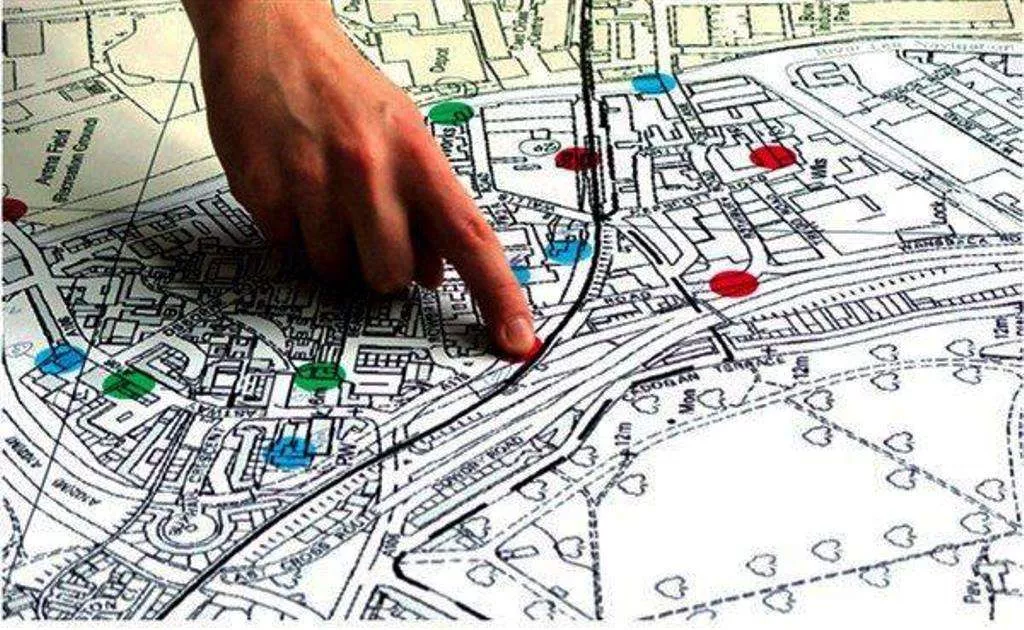
The Special Legal Status of Adverse Possession in the Dodecanese: The 15-Year Period, the Cadastral Regulation, and the Transition to the National Cadastre
The region of the Dodecanese (mainly Rhodes, Kos, and part of Leros) constitutes a unique exception on the legal map of Greece regarding Property and Cadastral Law. While in the rest of the Greek territory, extraordinary adverse possession requires the passage of 20 years (Article 1045 of the Civil Code), a special regulation of a 15-year extraordinary adverse possession has been applied historically in the Dodecanese, originating from the period of Italian rule and remaining in force to this day under specific conditions.
- The Historical and Legal Basis: The Cadastral Regulation (G.D. 132/1929)
During the period of Italian administration, Government Decree 132/1929 was issued, establishing the Cadastral Regulation of the Dodecanese. When the islands were integrated into the national body, the Greek legislator maintained this status in force through Law 510/1947.
According to Article 63 of the Cadastral Regulation of the Dodecanese:
• Any person who holds and possesses an immovable property of free ownership (mulk) for fifteen (15) consecutive years is entitled to request the registration of the right of ownership in the cadastral books.
• This 15-year period stands in direct contrast to the 20-year period of the Greek Civil Code, making the acquisition of ownership on these islands shorter in terms of time. - The Main Obstacle: The Prohibition of Adverse Possession on Public and Common Immovable Properties
The 15-year adverse possession does not apply horizontally to all immovable properties in the Dodecanese. The Regulation proceeds with a clear classification of lands, which creates serious legal obstacles:
• Immovable Properties “Mulk” (Free Ownership): These are private immovable properties, in which the 15-year adverse possession applies normally between private individuals.
• Immovable Properties “Miri” (Public Lands) and “Vakoufi”: Based on Articles 64 and 65 of the Regulation, on immovable properties registered as public lands or belonging to religious institutions, the acquisition of ownership through adverse possession is strictly prohibited. The Greek State, as the successor to the Italian State, asserts imprescriptible rights over these areas. - The Great Challenge: The Transition to the National Cadastre
In recent years, through Law 4934/2022, the gradual integration and transition of the historical Cadastral Offices of Rhodes and Kos-Leros into the unified National Cadastre commenced. This transition creates a complex legal issue: - Protection of Vested Rights: The transitional provisions stipulate that rights of adverse possession (15-year) that had already been completed under the regime of G.D. 132/1929 prior to the date of transition of the respective area are recognized and protected.
- The Intertemporal Application of Law: If the 15-year period was completed before the transition, the local regulation applies. If the period of possession began but was not completed before the transition to the new status, the general provisions of the Civil Code regarding 20-year adverse possession apply.
- How is the 15-Year Possession Proven?
For the judicial or extrajudicial recognition of adverse possession, the interested party must produce irrefutable documentary evidence. This includes:
• Old private agreements (e.g., pre-contracts, donations) that prove the commencement of possession.
• Income and property tax documents (E9) spanning a depth of 15 years.
• Topographic diagrams, sworn statements of witnesses, and utility bill payment receipts.
Conclusion
The 15-year adverse possession in the Dodecanese constitutes a powerful legal tool for settling immovable property, provided that the property is not designated as public land (“miri”). As the transition to the National Cadastre is finalized, owners relying on this special regime must act immediately for the definitive judicial or administrative recording of their rights, in order not to find themselves faced with the general (and stricter) provisions of the Civil Code.
The 15-year adverse possession in the Dodecanese constitutes a powerful legal tool for settling immovable property, provided that the property is not designated as public land (“miri”). As the transition to the National Cadastre is finalized, owners relying on this special regime must act immediately for the definitive judicial or administrative recording of their rights, in order not to find themselves faced with the general (and stricter) provisions of the Civil Code.